 TM
TMStaff from over 40 countries shape a Wisconsin hospital's menu
The foodservice team at UW Health, the University of Wisconsin's health system, spent about 10 years adding plant dishes with tastings and staff recipes.
- Who UW Health
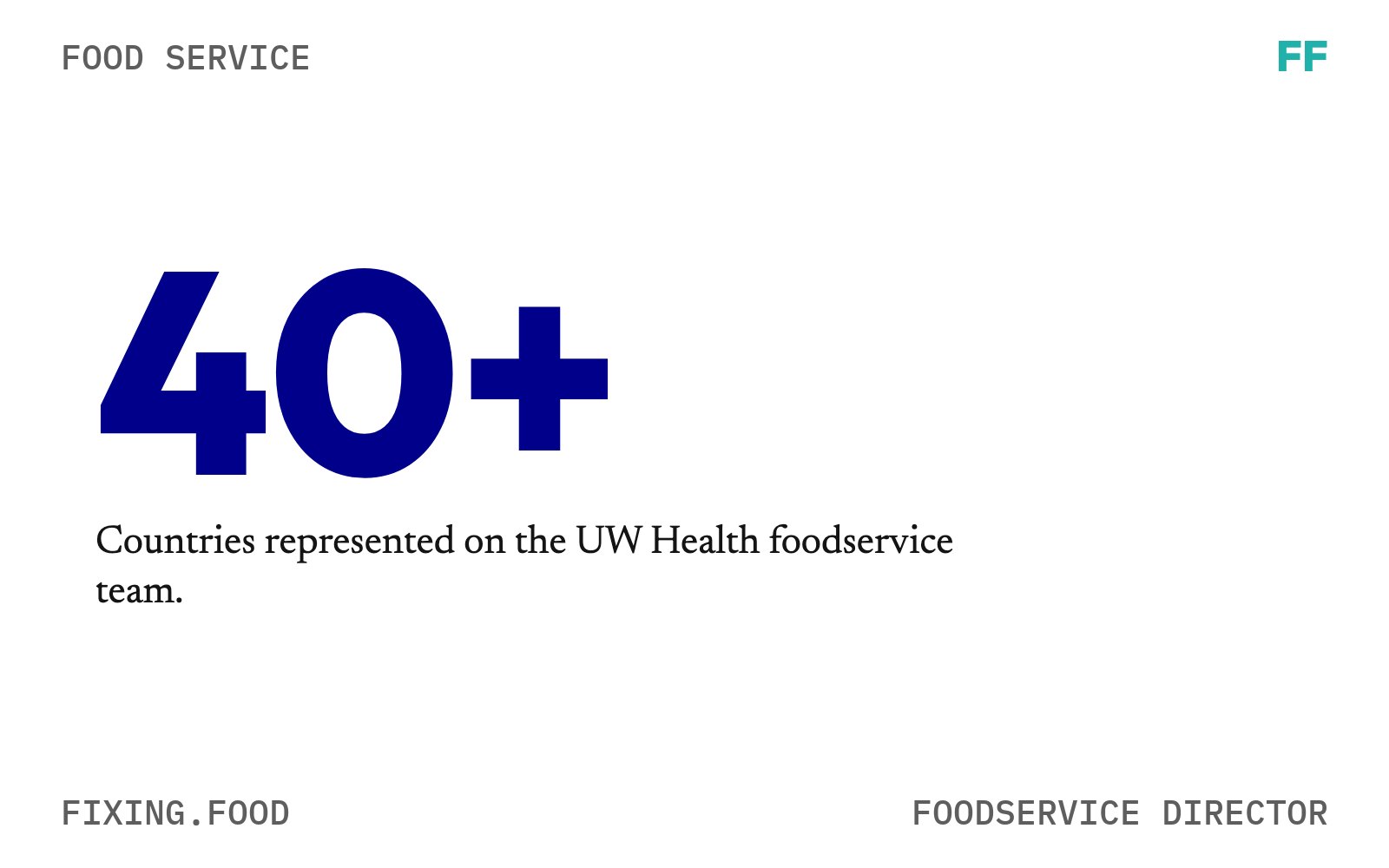
- What 40+ countries represented on the UW Health foodservice team
- When Sept. 14, 2026
- Source FoodService Director ↗
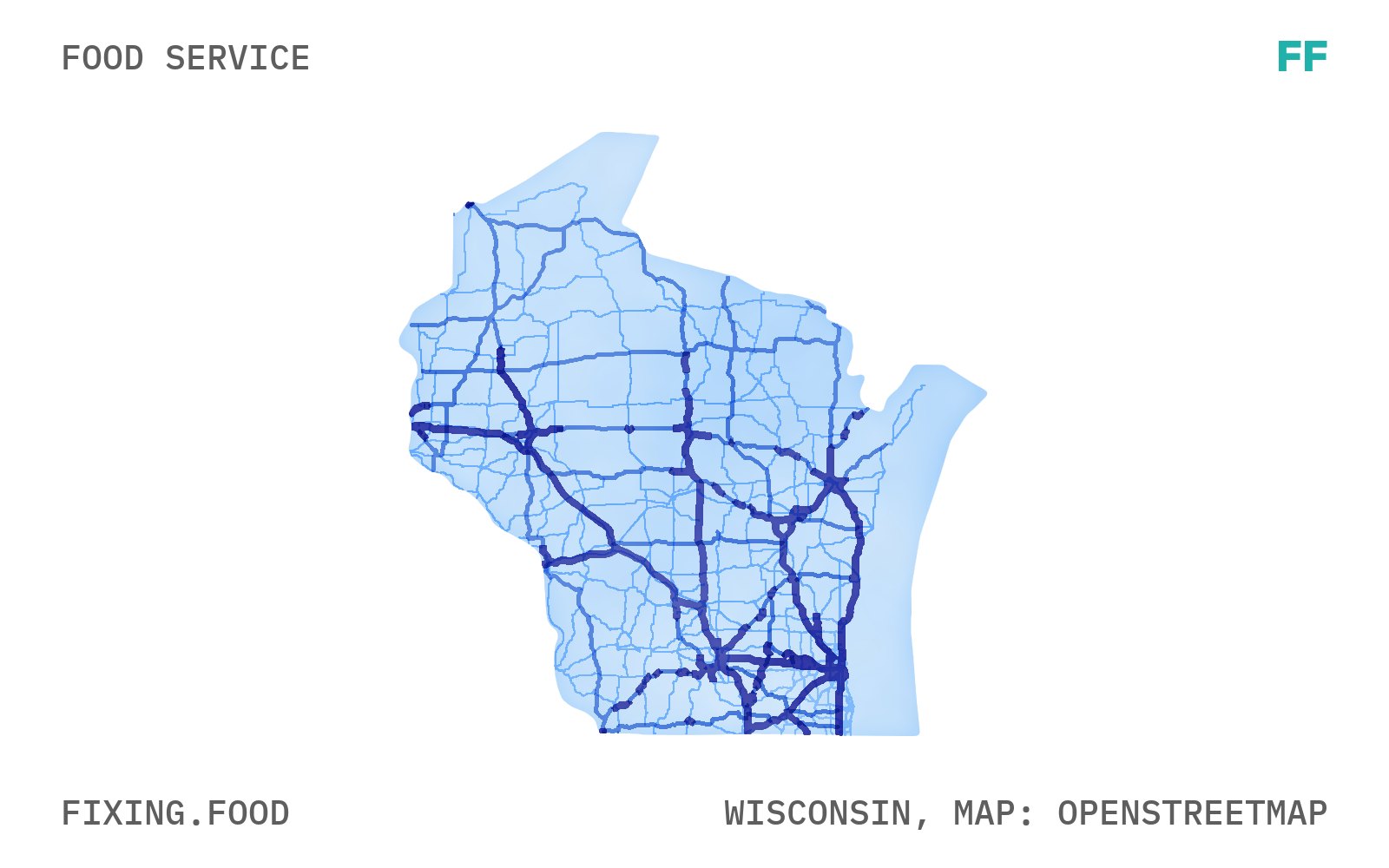
At the entrance to the main cafe at UW Health, the University of Wisconsin's health system, a large map of the state shows diners where their food comes from: the local vendors the foodservice team buys from, the trade publication FoodService Director reported on Sept. 14.
"Hospital food doesn't have to be uninspired or lack flavor," said Lisa Boté, manager of culinary service. Over roughly the past 10 years, her team has gradually added more plant-based dishes to both its patient menus and its retail menus, and it has done that by cooking food with real flavor and letting people taste it first. For any kitchen that wants to serve more plants and keep its diners happy, here is how the team does it: it plans the menu around what it wants to serve, cooks recipes from its own staff and hands out samples.
The dishes diners pick
Some of the most popular plant-based dishes at the hospital are a green pea and chickpea curry, a casserole of butternut squash, kale, quinoa and feta, and a Moroccan lentil and chickpea stew. Ideas come from what's available locally and from what's trending on restaurant menus. "Nothing is out of bounds," Boté said. The team talks through what it would like to see on the menu, then plans how each dish can fit, the work Boté calls menu engineering. That approach lines up with the Culinary Institute of America and Harvard's 24 principles for healthy, sustainable menus, which put plant-forward cooking at the center.
Recipes from 40 countries
The UW Health foodservice team represents more than 40 countries, and staff are encouraged to share their family recipes with the group. One of those recipes is now in the menu rotation: the Tibetan Potato and Cheese Momo, a dumpling from Thobden Gyatso, a cook on the team. It won the grand prize in the 2025 national Health Care Culinary Contest, held by the group Health Care Without Harm.
"He used to make that for potlucks, and people just talked about it, raved about it," Boté said. He would bring it to an event called the International Food Fest, too. She called the dish labor intensive and "this labor of love."
How samples win people over
Many patients and families are going through a hard time, so the team leaves the choice with them and uses samples to introduce new flavors. "We're nudging our consumers towards our nutrition and sustainability commitments," said Amy Mihm, a clinical nutrition specialist at UW Health.
Boté remembers sampling a spicy tofu in a rich brown sauce with Mihm. "During the sampling, people were drawn in by the scent of the sauce," she said. When a smell pulls people over, a new dish gets its first real chance. At a much larger scale, NYC Health + Hospitals, New York City's hospital system, has served two million patient meals that come plant-based unless the patient asks for meat, with satisfaction above 90 percent.
To try it this week, pick one plant dish your cooks already make well, put out samples at your busiest hour, and ask your staff to bring in one family recipe.
Hospital food doesn't have to be uninspired or lack flavor.Lisa Boté, manager of culinary service, UW Health
