 TM
TMChick-fil-A donates surplus from 90% of its restaurants
The chain turned one owner-operator's habit of donating leftovers into a company program in 2012. It now works with more than 1,600 nonprofits.
- Who Chick-fil-A
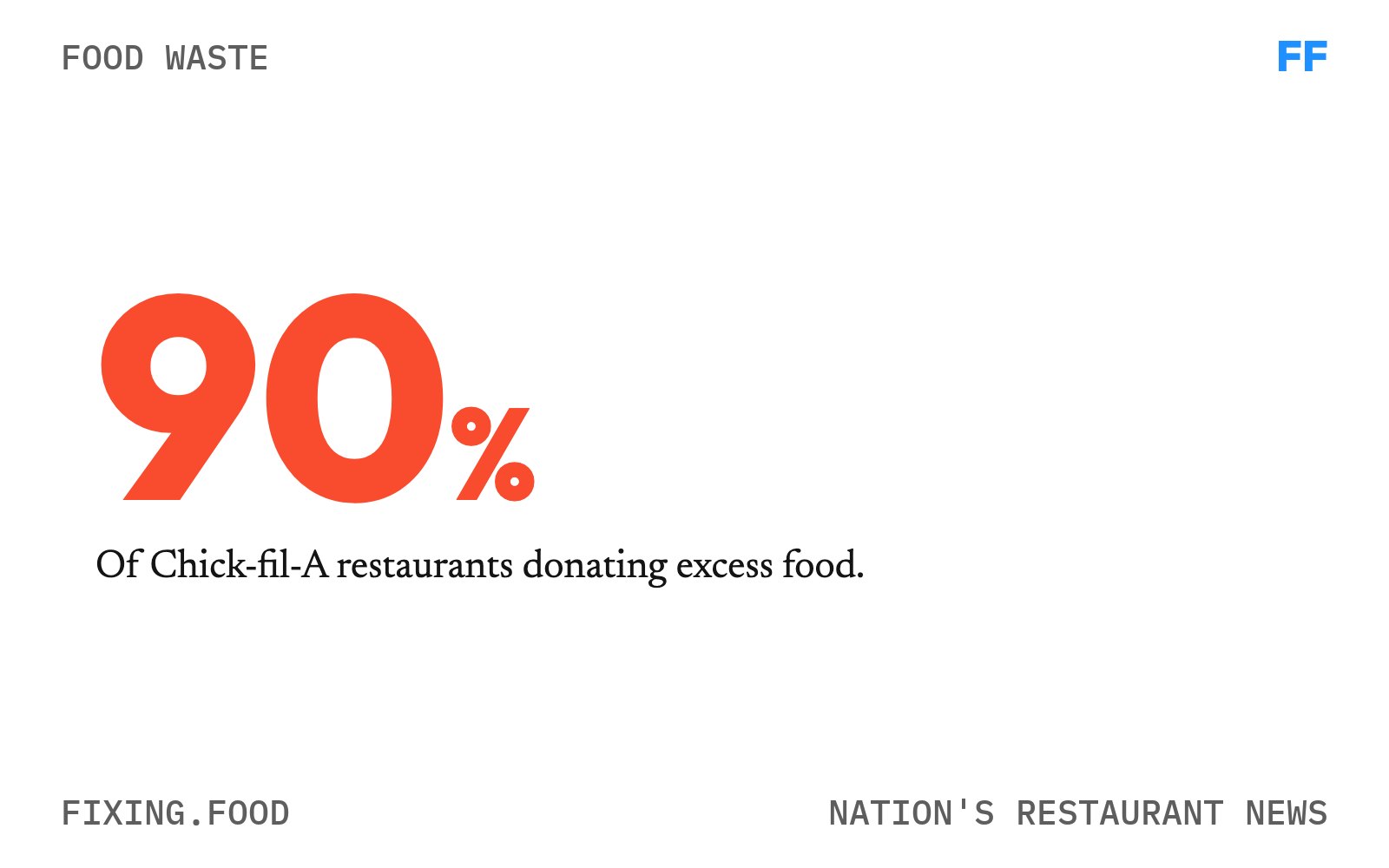
- What 90% of Chick-fil-A restaurants donating excess food
- When Oct. 5, 2026
- Source Nation's Restaurant News ↗
On Sept. 30, Chick-fil-A ran a popup for Shared Table, its food donation program, at the Oculus in Manhattan's Financial District and handed out chicken sandwiches. Every visitor who came through sent a donated meal to The Bowery Mission, the chain's Shared Table partner in New York City. The date was the last day of Hunger Awareness Month.
The popup drew a crowd. Most of the giving happens later, in the kitchens, every night. Ninety percent of Chick-fil-A restaurants now send excess food to a local nonprofit, up 10 percent from three years ago, working with more than 1,600 organizations nationwide, as reported by the trade publication Nation's Restaurant News.
Where the 90 percent came from
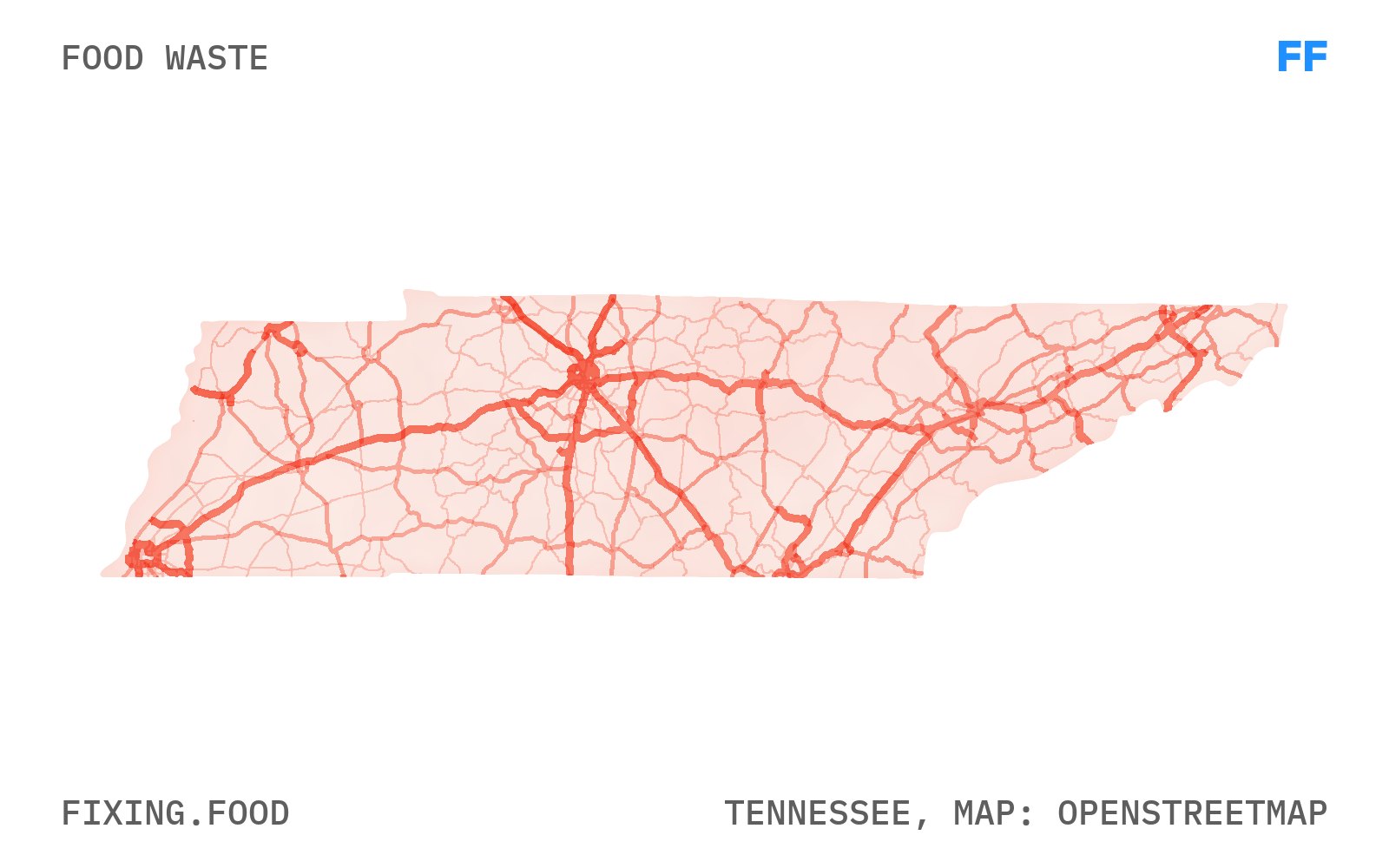
It didn't start at headquarters. An owner-operator named Marshall Wilkins started sending surplus from his restaurant in Knoxville, Tennessee to a nonprofit in his community in the 1990s. The program worked so well that the chain formalized it in 2012 as Shared Table, and that step is the one worth learning from. The company built the logistics, set internal goals and ran awareness campaigns, which is what it takes to turn one operator's good idea into a habit across a national system.
The reason the Cathy family cares goes back to the founder. Truett Cathy founded the Dwarf House in 1946, the precursor to the first Chick-fil-A in 1967, and led the company for 46 years before Dan Cathy took over in 2013 and Andrew Cathy, now CEO, in 2021. Andrew Cathy told Nation's Restaurant News that his grandfather grew up in poverty and lived in the first government housing in the state of Georgia. Andrew Cathy also served on the board of the Atlanta Community Food Bank, which he says is when the scale of the problem became real to him.
What the program asks of a kitchen
In the kitchen, a donation program is an operations job. The food is already bought, so the cost is labor: someone has to pull it, hold it safely and hand it over, every night, at the exact moment the closing crew wants to go home. Getting that handoff to happen at 90 percent of restaurants takes steady management, and that is what the chain put in place.
There is plenty of food to give. ReFED, a food waste nonprofit, counted 73.9 million tons of US surplus food, with only 2 percent of it donated, so the work that matters is matching food to a nonprofit and moving it on time. The same matching job shows up with shoppers: Too Good To Go, an app that sells surplus food in bags, has rescued 200 million meals. And the EPA's map already shows more than 960,000 businesses with extra food and 15,000 places that could take it.
If you want to start Monday, begin with a count. Ask your closing manager how many nights in the last four weeks ended with safe, saleable product in the bin, and get the actual number rather than a feeling. Call one nonprofit within a fifteen-minute drive and ask what they can accept, in what container, at what hour. Name one person per shift who owns the handoff, clear a labeled shelf in the walk-in for it, and write the pickup into the close-down checklist where the temperature log already lives. Then set a target and write the result down, the way the company paired logistics with goals in 2012. Even with that system in place, the last stretch to 90 percent took three years.
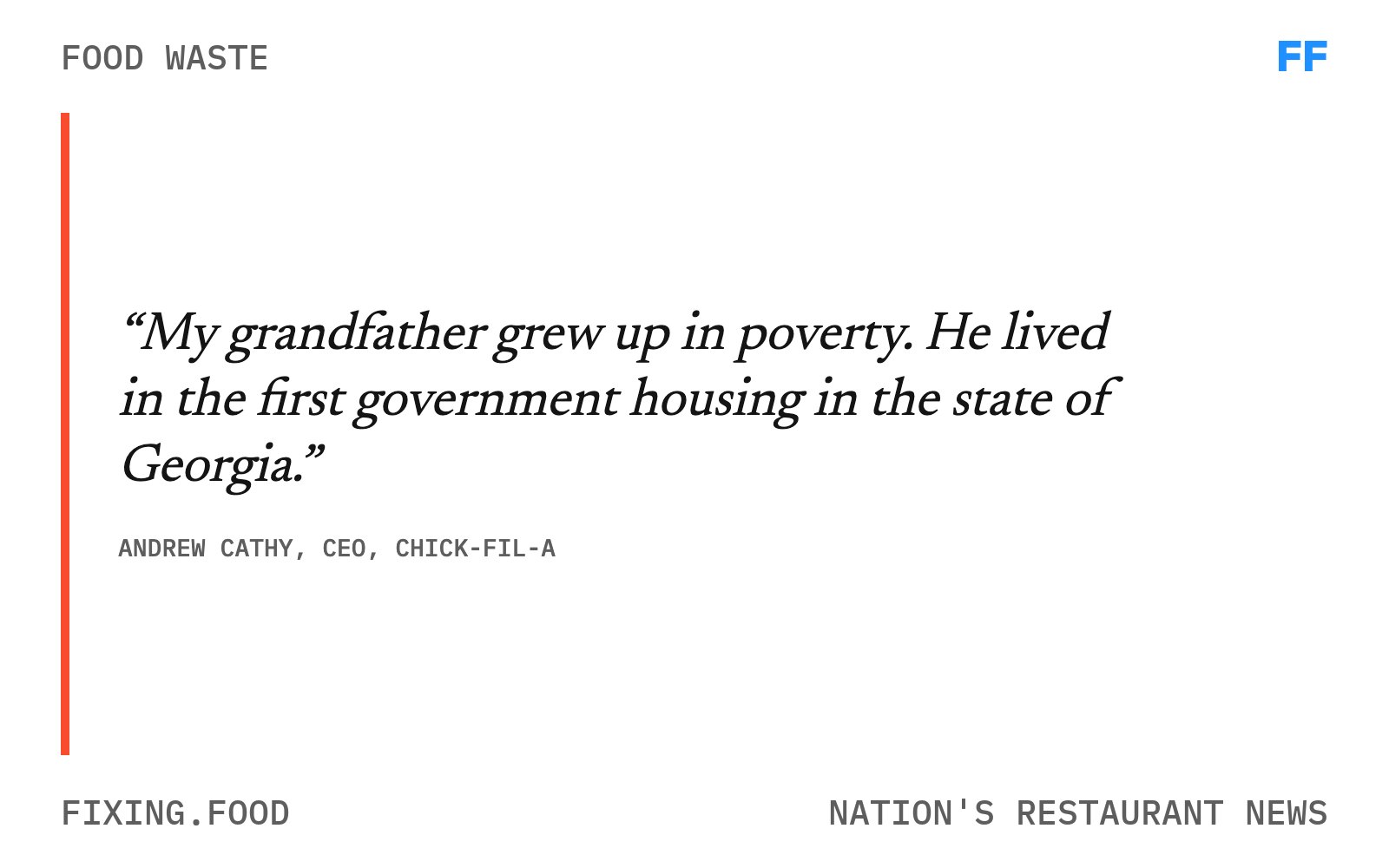
My grandfather grew up in poverty. He lived in the first government housing in the state of Georgia.Andrew Cathy, CEO, Chick-fil-A
